


 DENTIST REFERRALS
  020 7602 2200
 Sep 17, 2026
Dental hygiene for braces and aligners: pro tips from our West London
If you are starting braces or aligners this autumn, the right hygiene habits will protect your enamel, prevent white spots, and keep treatment on track. Our Earls Court hygienist Gabi and the Orthosmile team have pulled together practical, time-saving advice you can use today.
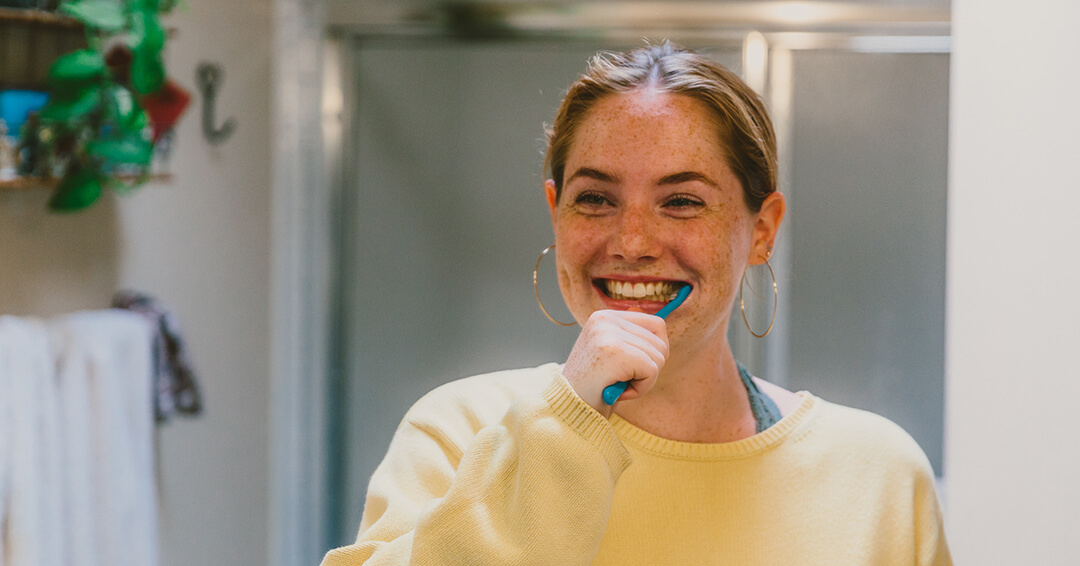
Short answer to the big questions: brush twice daily for two minutes with fluoride toothpaste, clean between teeth every day, and see a hygienist every 4 to 6 months during orthodontic treatment. Rinse and gently brush aligners with cool water, and avoid sugary or acidic snacking between meals to protect enamel.
How to brush effectively with fixed braces
Brackets and wires create plaque traps, so technique matters more than force.
- Use a compact orthodontic brush head with soft bristles.
- Angle bristles 45 degrees above and below the brackets; make small circular motions.
- Brush the gumline carefully, then the bracket face, then under the wire.
- Finish with the biting surfaces and the inside, or tongue side, of the teeth.
- Spit out excess toothpaste and avoid rinsing immediately so fluoride can keep working.
Daily interdental cleaning is essential. Choose interdental brushes that fit each space comfortably, or use floss with a threader or a superfloss product to glide under the wire. For hard-to-reach areas, a water flosser can be a useful add-on, not a replacement.
Interdental tools and products that help prevent white spots
White spots, known as decalcification, are early enamel changes from plaque acids. You can reduce the risk with:
- Fluoride toothpaste, at least 1350 to 1500 ppm fluoride.
- Daily interdental brushes sized for each gap.
- A fluoride mouthwash used at a different time to brushing, for example after lunch, to avoid rinsing away toothpaste fluoride.
- Orthodontic wax to cover any rough areas that make you avoid brushing.
- Where advised by your clinician, a targeted fluoride gel or mousse can support at-risk areas.
If you notice chalky edges near brackets, mention this at your next visit. Early changes can often be stabilised with improved cleaning, fluoride support, and professional guidance.
Keeping clear aligners clean, clear, and odour-free
Treat aligners like you would a toothbrush: clean them every time you clean your teeth.
- Rinse trays whenever you remove them; never leave them to dry out.
- Brush aligners gently with a soft brush and cool water. Avoid hot water that can warp them.
- Do not use coloured mouthwashes or abrasive toothpaste on trays, which can stain or scratch.
- Soak as advised in a non-coloured aligner cleaning solution if needed, then rinse thoroughly.
- Keep them in a ventilated case during meals, and reinsert promptly after brushing.
Always store aligners in a case, not a pocket or tissue. If one is lost, hold at the current stage or step back to the previous aligner and bring all trays to your next appointment for advice.
Stain management for coffee and tea lovers
Tannins cling to plaque. The cleaner the enamel, the less it stains.
- Limit sipping time and keep drinks to mealtimes.
- Rinse with water after coffee or tea, especially if you wear aligners.
- Do not drink hot, coloured beverages with aligners in place.
- Maintain daily interdental cleaning, and book regular hygiene visits.
- For a brighter lift post-treatment, ask our team about professional whitening timing once your retainers are stable.
Hygiene visits during orthodontic treatment
A professional clean supports every orthodontic system by removing plaque and calculus you cannot reach at home and by coaching technique tailored to your appliance. We typically recommend a 4 to 6 month cadence during braces or aligners. If you have a history of gum inflammation, frequent staining, or dry mouth during allergy season, you may benefit from more frequent reviews.
At Orthosmile Earls Court, Gabi offers two options:
- Scale & Polish, £80: A thorough clean and polish that leaves teeth feeling smooth and fresh, with targeted home-care advice.
- Extended Hygiene, £120: Extra time for complex build-up around wires or bonded retainers, stain removal, and personalised coaching including interdental sizing.
If you are approaching the end of treatment or heading into Open Day season, a hygiene refresher is a smart tune-up before photos, bonding, or whitening. Enquire about appointment options at our Earls Court, Kensington, or Hounslow locations.
A printable daily routine you can stick to
Morning
- Brush for 2 minutes with fluoride toothpaste. For braces, angle above and below brackets; for aligners, brush trays gently in cool water and reinsert.
- Quick interdental clean if time allows.
- Do not rinse immediately after brushing; just spit.
Lunchtime
- Rinse aligners and your mouth after eating. Use a fluoride mouthwash now if you do not brush at lunch.
- Reinsert aligners promptly.
Evening
- Brush for 2 minutes, then clean between teeth thoroughly with interdental brushes or floss threaders.
- For braces, check around brackets and under the wire with a mirror or phone torch.
- Clean aligners again before bed.
Weekly
- Soak aligners in an approved non-coloured cleaner if needed.
- Review wear areas around brackets for early white spots and adjust your technique.
How professional cleaning supports better orthodontic outcomes
Cleaner enamel responds more predictably, and healthy gums move more comfortably. Regular hygiene:
- Reduces wire adjustments delayed by swollen gums.
- Lowers the risk of breakages linked to plaque and calculus at bracket bases.
- Helps prevent white-spot lesions and keeps ceramic brackets and attachments looking discreet.
- Sets you up for finishing touches such as bonding or whitening once alignment is complete.
FAQs
How do I clean effectively with braces or aligners?
Brush twice daily with a compact orthodontic brush head and fluoride toothpaste, and clean between teeth every day. With aligners, rinse whenever removed and brush trays gently with a soft brush and cool water before reinserting.
How often should I see a hygienist during orthodontic treatment?
Typically every 4 to 6 months. If you experience gum inflammation, dry mouth, or heavy staining, you may need more frequent care.
What products actually help prevent white spots?
Fluoride toothpaste, a separate-time fluoride mouthwash, correctly sized interdental brushes, and, if advised, targeted fluoride gels. Consistent daily technique is the real difference-maker.
How do I keep aligners clear and odour-free?
Rinse on removal, brush with a soft brush and cool water, avoid hot water and coloured mouthwash, soak occasionally in an approved cleaner, and store only in a ventilated case.
What is the difference between Scale & Polish and Extended Hygiene?
Scale & Polish (£80) is a comprehensive clean and polish for routine maintenance. Extended Hygiene (£120) allows more time for complex build-up, stain management, and detailed coaching around braces, attachments, or bonded retainers.
Where to find us and book
Orthosmile has specialist-led clinics across West London, including Earls Court, Kensington, and Hounslow. To plan hygiene support around braces or clear aligners, contact our team to discuss availability.
Summary and next steps
Consistent brushing with fluoride, daily interdental cleaning, and careful aligner care will protect enamel and keep treatment progressing smoothly. Add a hygienist visit every 4 to 6 months, and choose Scale & Polish or Extended Hygiene at Earls Court based on how much build-up or staining you have.
If you are due a refresh before autumn routines or finishing treatment, book an appointment and ask about the best timing around your orthodontic visits.
Find us
Choose the location nearest you from the drop-down list below.
Kensington
Visit our cutting-edge Orthosmile practice in Kensington (also known as The Kensington Orthodontic Clinic). We are accepting new patients of all ages.
 8-10 Netherwood Road,
London
W14 0BJ
 kensington@orthosmile.co.uk
 Opening Times
- Monday - Friday
- 09:00am – 7:00pm
- Saturday
- 09:00am – 5:00pm Alternate Saturdays
- Sunday
- Closed
- Closed between
- 13:00 - 14:00pm for lunch break
GDC information
Tel: 0854 222 4141
Fax: 022 7224 3294
Email: information@gdc-uk.org
Site: www.gdc-uk.org
 Open in Google Maps
Earl's Court
Orthosmile offers world-class orthodontic, periodontic, endodontic, and paediatric dental care at our modern Earl’s Court practice. Visit our team just across from the Earl’s Court post office.
233 Earl's Court Road,
Earls Court
London SW5 9AH
Opening Times
- Monday
- 09:00am - 7:30pm
- Tuesday
- 09:00am – 6:00 pm
- Wednesday
- 09:00am – 7:30 pm
- Thursday
- 09:00am – 7:30 pm
- Friday
- 09:00am – 5:30 pm
- Saturday
- 09:00 am - 5:00 pm Alternate Saturdays
- Sunday
- Closed
- Closed between
- 13:00 - 14:00pm for lunch break
GDC information
Tel: 020 8814 1422
Fax: 022 7224 3294
Email: information@gdc-uk.org
Site: www.gdc-uk.org
Hounslow
At our Orthosmile practice in Hounslow, we pride ourselves on our expertise, professionalism and customer care. We look forward to helping create your beautiful new smile.
230 Staines Road,
Middlesex
London TW3 3LR
Opening Times
- Monday - Tuesday
- 09:00 am - 6:00 pm
- Wednesday - Thursday
- 09:00 am - 6:30 pm
- Friday
- 09:00 am - 6:00 pm
- Saturday
- 09:00 am - 5:30 pm Alternate Saturdays
- Sunday & Bank Holidays
- Closed
- Closed between
- 13:00 - 14:00pm for lunch break
GDC information
Tel: 020 8814 1422
Fax: 022 7224 3294
Email: information@gdc-uk.org
Site: www.gdc-uk.org